

Our Mission
Our mission is to encourage campers to encounter the love and life of Jesus Christ through:
• Christ-centred teaching and programs
• Christian Community
• Personal relationships
• A safe and fun camp experience
The Story of Daybreak Point Bible Camp
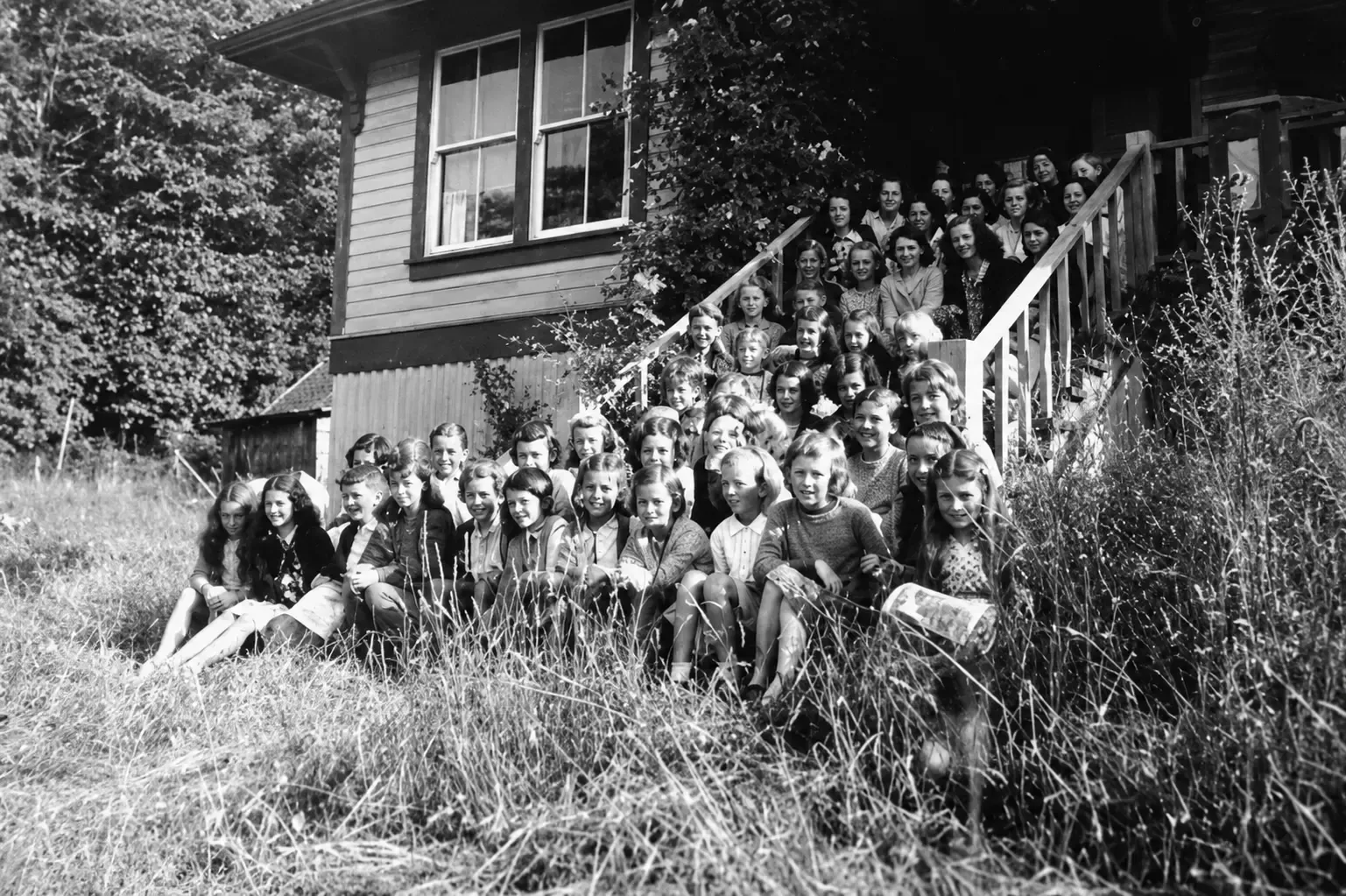
In 1939, Jim Rattray and Bob McKenzie led a Sunday School class for boys. Inspired by a desire to provide something more, Jim suggested sending some of the boys to a Bible camp. When it was proposed that he take them himself, Jim reached out to Bob to join him on the adventure. Together, they searched for a location and came across an ad that read: “A duplex on Anvil Island for fifteen dollars for two weeks.” Though they had no idea where Anvil Island was, the price and description were too good to pass up. They made arrangements to head there in July for two weeks.
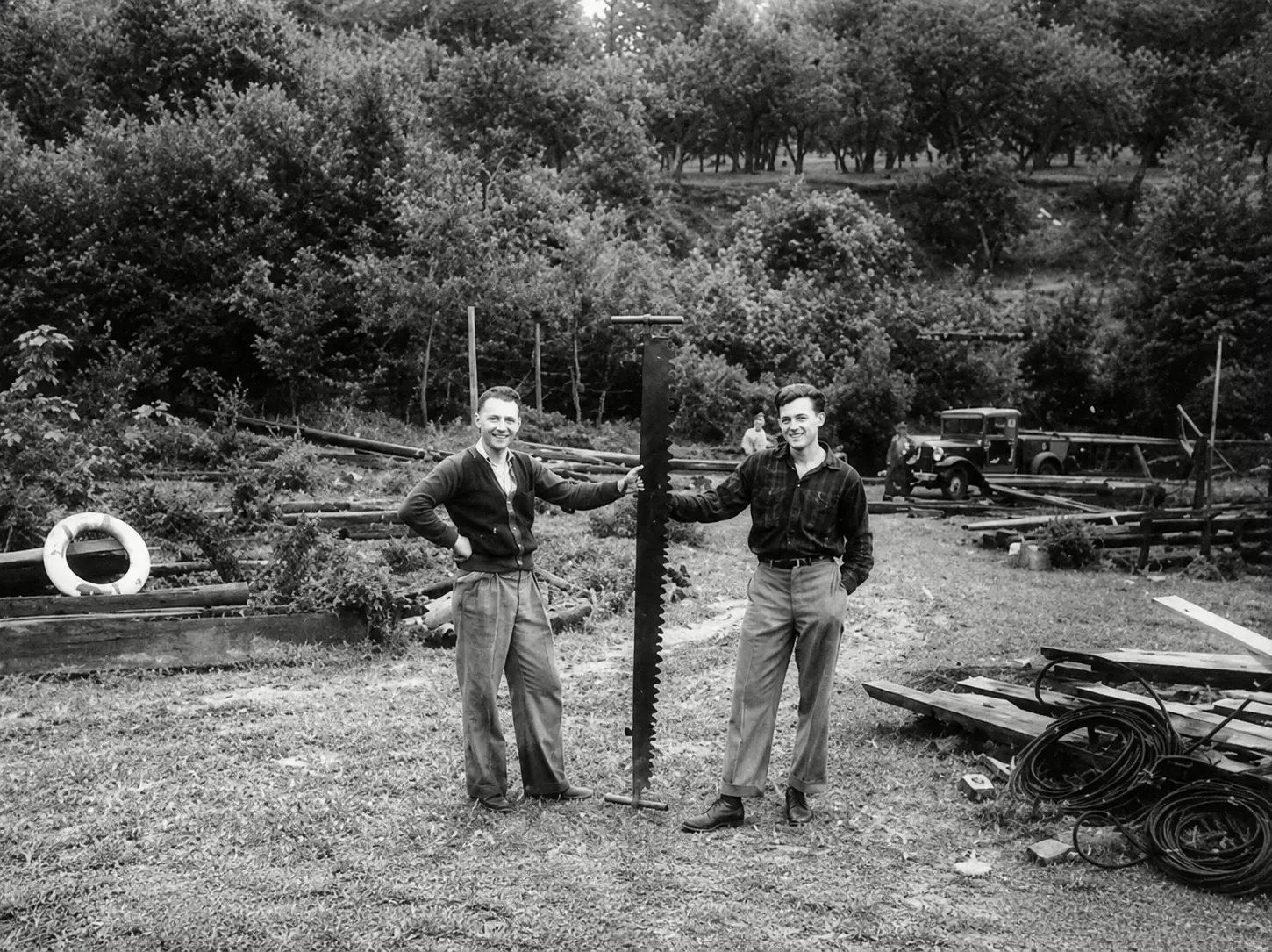
Almost all of the first 11 campers came from single-parent homes, and that first camp would go on to have a profound impact on their lives. With provisions like a slide lantern, coal oil lamps, groceries, and burlap sacks stuffed with straw for sleeping, everything was loaded onto a boat called the Valkyrie for the trip. After a two to three-hour journey, they arrived on Anvil Island, and the very first camp began. The perishable food for the week was stored in the well to keep it cool, and the total food bill came to just $58, a record never repeated!
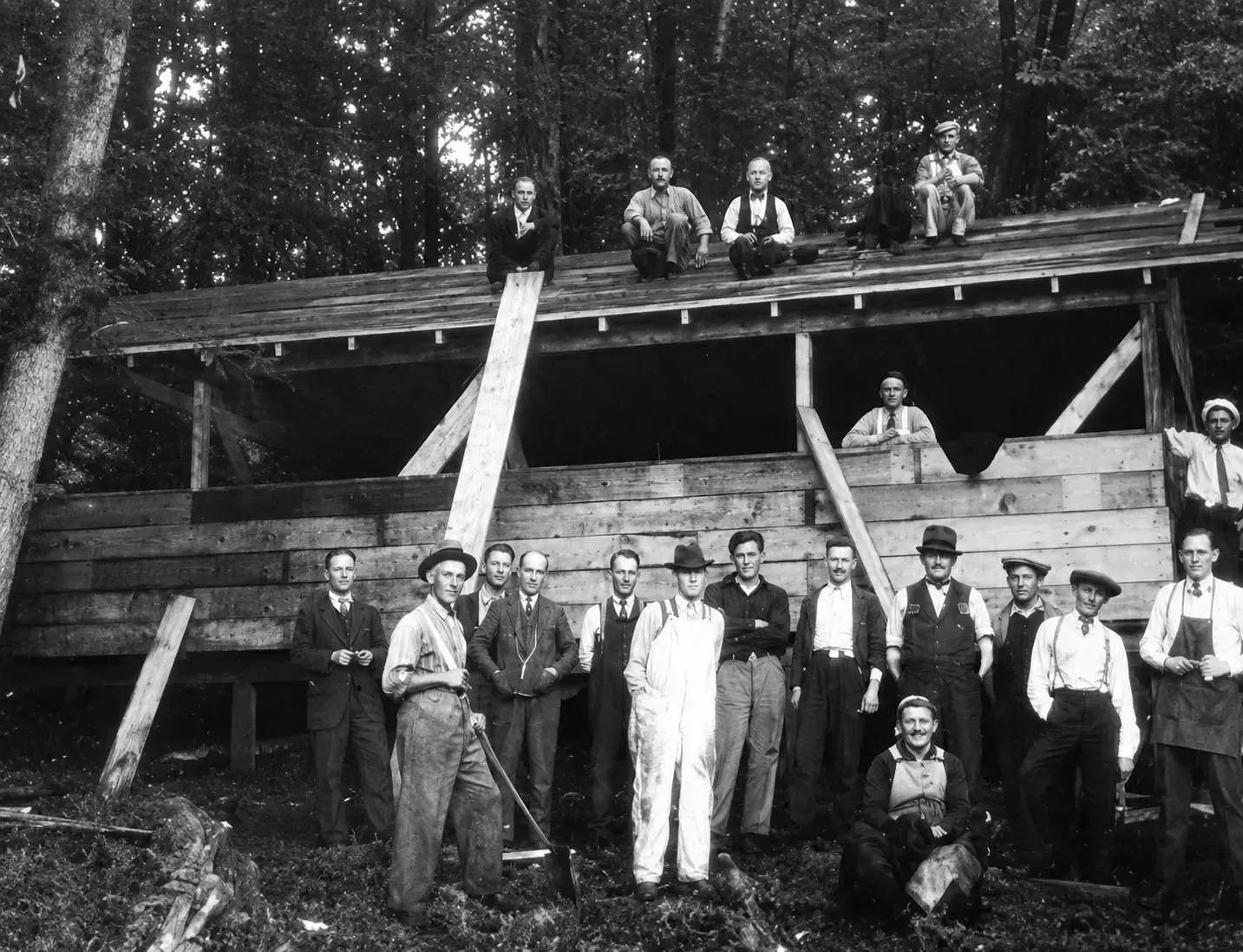
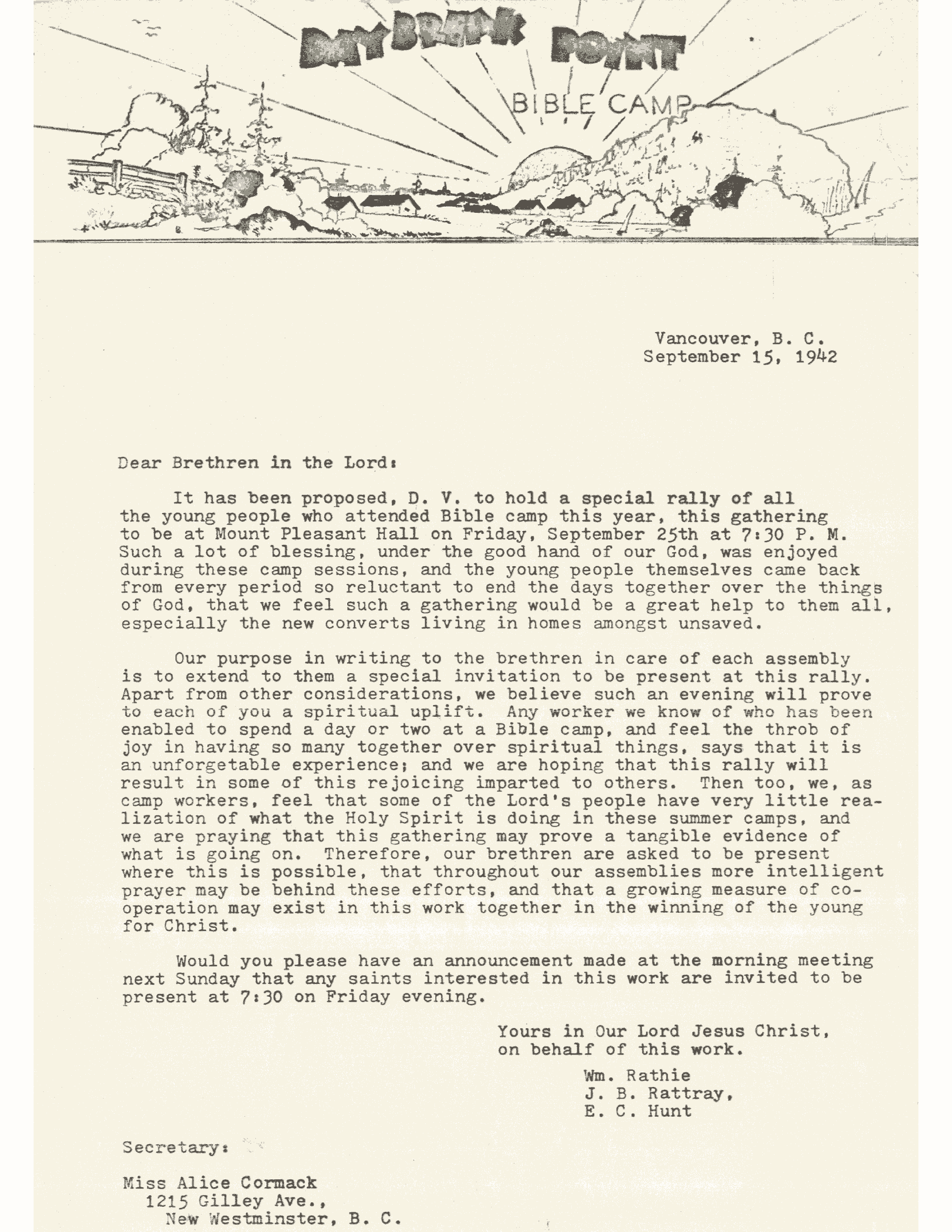
In 1940, the second camp was held, this time expanding to one week for boys and one week for girls. It was during this summer that the need for a proper name became clear. Initially, the camp was going to be called Alder Bay Bible Camp, inspired by the abundance of alder trees on the property. But after some thought, a more meaningful name was chosen: Daybreak Point Bible Camp. The new name reflected the heart behind the mission, to offer a fresh outlook and help these young boys and girls discover the possibility of being born again and finding new life.
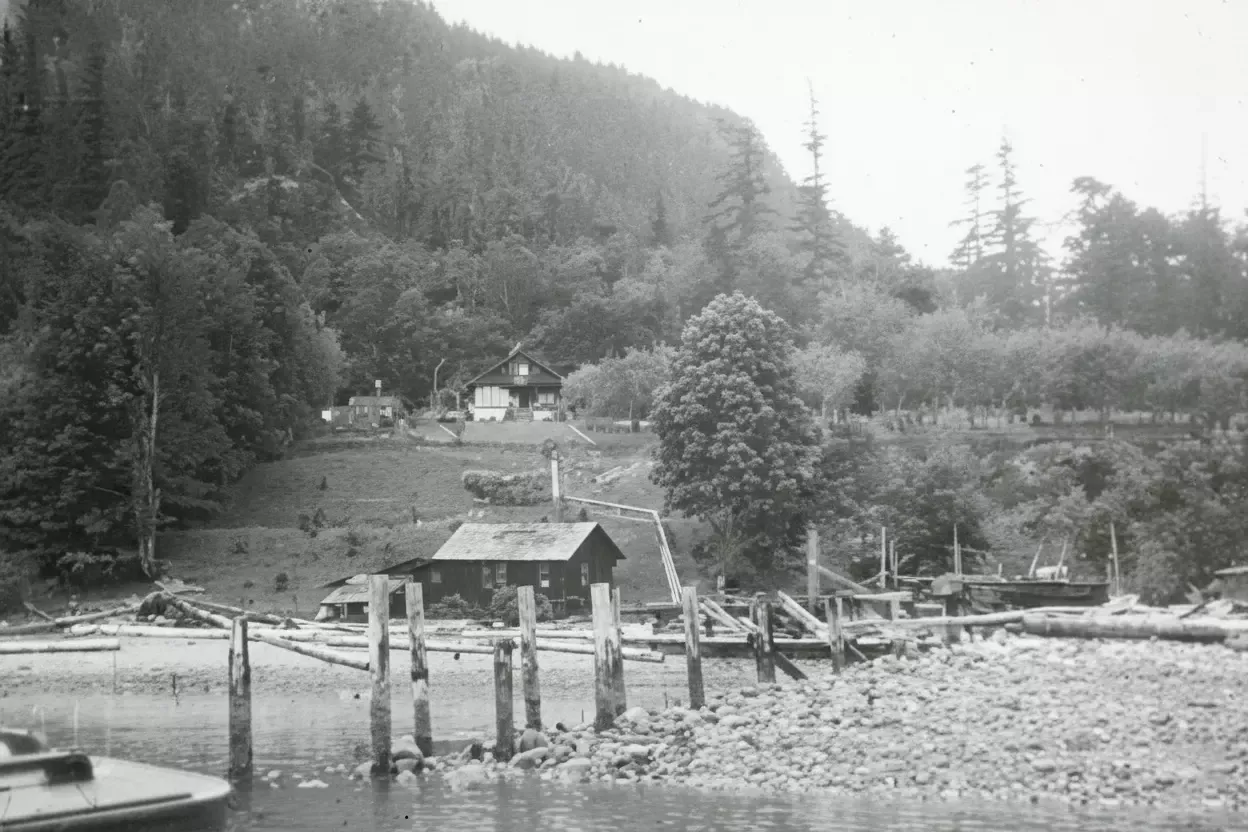
After the Second World War, Eric Hunt called a meeting of the local assemblies in Vancouver to explore the idea of establishing a permanent summer camp on Anvil Island. At the meeting, Mr. Hunt shared a detailed vision for how the camp could operate and presented an opportunity to purchase 96 acres of land on Anvil Island, owned by a Mr. Steves.
Although none of the assemblies had funds set aside for such a venture, the idea sparked enthusiasm. After some discussion, one man stood up and said that if all the assemblies were in agreement, he would personally provide the funds (to be paid back later by the assemblies). With unanimous support, he wrote a cheque for $6,000 and handed it to Mr. Hunt to take to Mr. Steves.
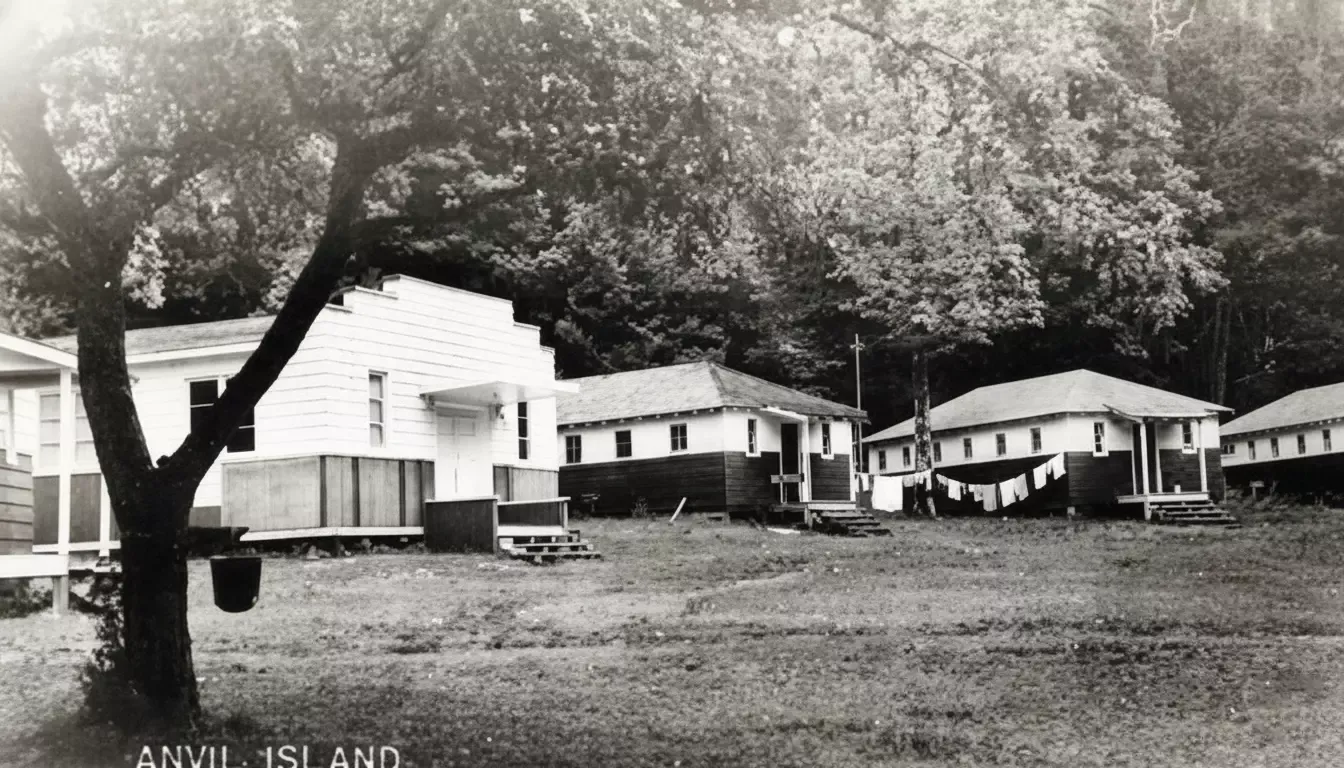
A formal society was soon established, and Daybreak Point Bible Camp officially came into being, held in trust by the local assemblies of Vancouver.
Interestingly, during a fishing trip, Jim Rattray noticed something remarkable on a government marine chart: the name “Daybreak Point” was already marked on Anvil Island. It was as if the name had been waiting there all along. “Some people may wonder who selected the site of Anvil Island,” Jim later reflected.
“Actually, nobody selected the site but God Himself, because we had no place to go.”
Anvil Island
Long before it was known by its current name, the Squamish Nation called the island lhax̱m, meaning “place of snake.” According to Squamish tradition, this name refers to one of the many mythical creatures said to roam and dwell on the island. In 1792, Captain George Vancouver gave it a new name, Anvil Island, inspired by its distinctive anvil-like shape.
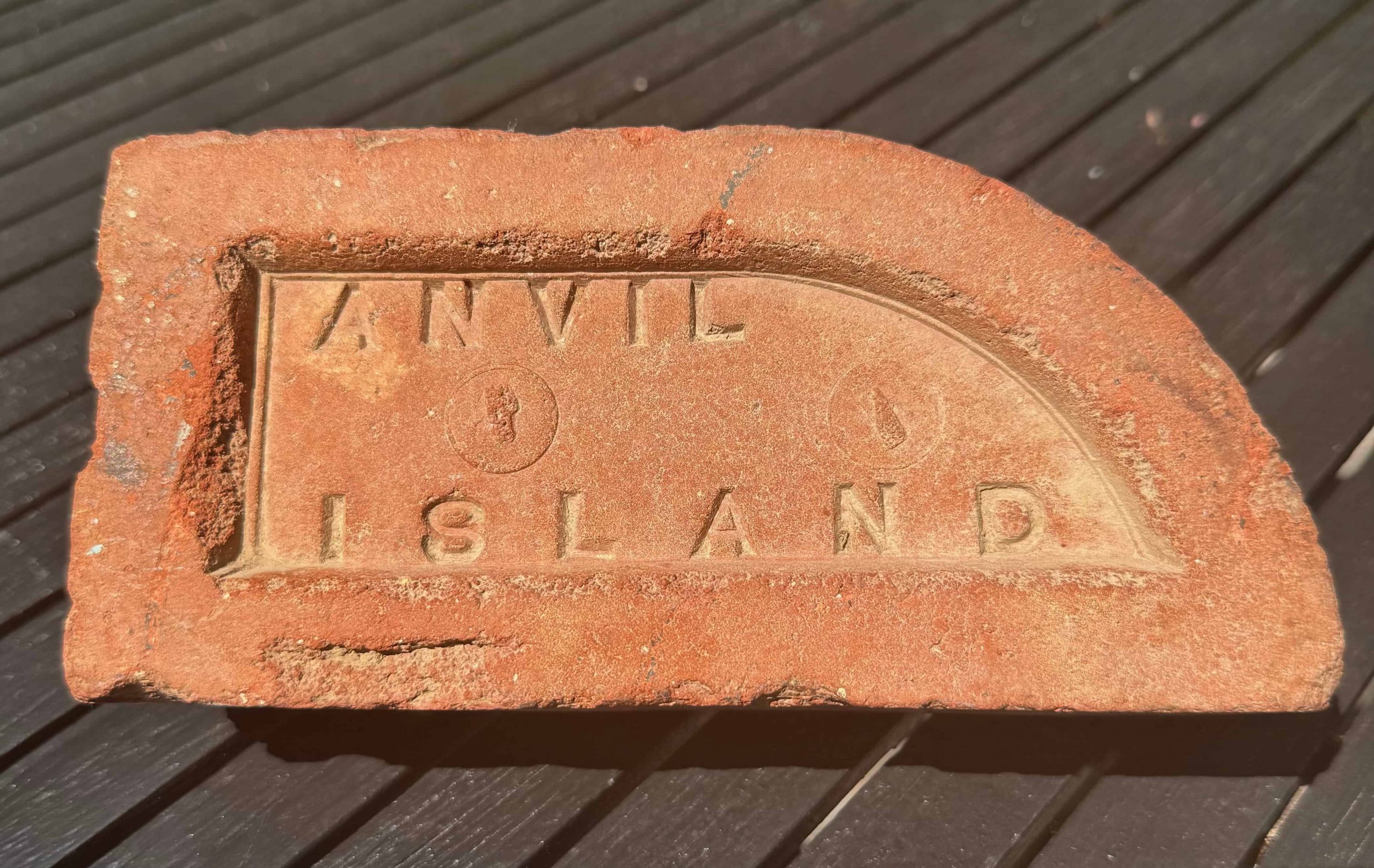
In the years that followed, the island became home to industrial activity. The Columbia Clay Company operated there from 1867 to 1917, followed by the Anvil Island Brick Company from 1912 to 1919. Bricks were fired in a kiln just steps from the shoreline, then loaded onto scows and towed to market. By 1905, the island was home to the largest brick supplier in British Columbia, producing up to 30,000 bricks a day. Today, these historic bricks are still sought after by collectors in the community.
Anvil Island also once boasted a remarkable apple orchard. So impressive were its apples that they were featured at the 1933 Chicago World’s Fair. Some of those original trees still stand on the camp property, and they continue to produce sweet, delicious fruit to this day.
The Board
The Board is a Volunteer Committee that meets once a month (year round) and is composed of elected representatives. The Board is made up eight individuals and includes our Chairman (Terry Carabetta), Vice-Chair( David Jones), Treasurer (Blake Henley), Secretary (Mackenzie Saip) and five members at large (James Copp, Taryne Hagan, Jordan Gin, Brinsley Saleken and Ajay Martin). In addition we have a variety of other committees including: the Sessions Committee, the Facilities Oversight Committee, the Human Resources Committee, and the Director’s Nominating Committee.

Our Members
Daybreak Point Bible Camp is an independent society supported both financially and spiritually by member churches, individual donors, and dedicated volunteers. Each member church appoints a representative, commits to upholding the camp’s mission and beliefs, and plays an active role through financial support, volunteer involvement, and promotion of the camp.
Our Staff
Join our Mailing List
Stay connected with all the latest updates, stories, and opportunities from Daybreak Point Bible Camp, Anvil Island, and our extended ministry, sign up for our newsletter today!


